
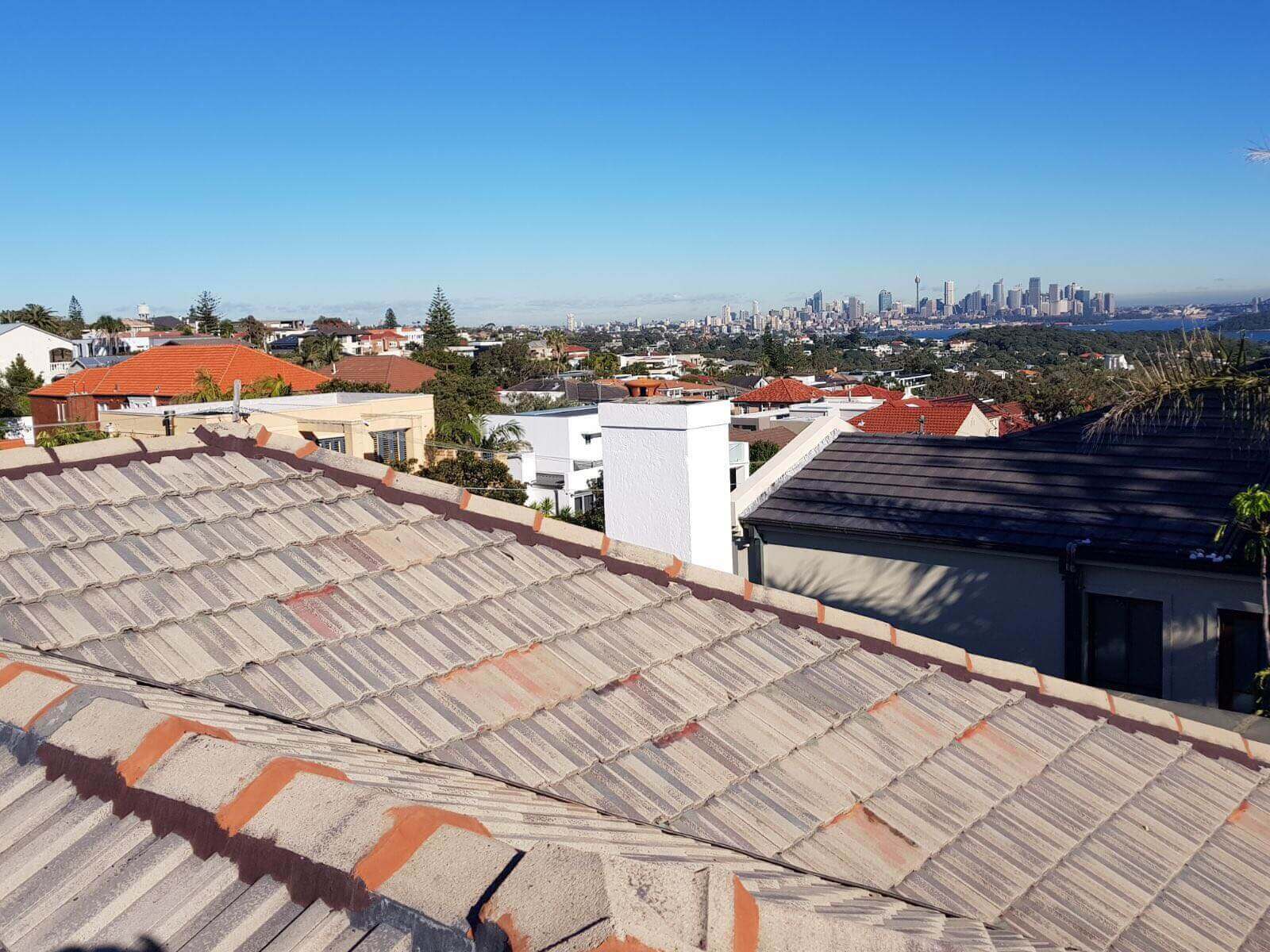
If you’ve stood in your driveway lately, squinted up at your roof, and thought “that didn’t used to look so tired” — you’re not imagining things. Sydney doesn’t do roofs any favours. We get harsh UV for months on end, sudden southerly bursts, salt air rolling in off the coast, and the kind of humidity that turns a clean tile roof into a moss farm if you look away for eighteen months. Your roof takes all of it, silently, while you worry about literally everything else your house throws at you.
Most homeowners only think about their roof when something’s actively dripping onto the ceiling. By then, you’re usually looking at a much bigger job — and a much bigger bill — than if you’d caught it earlier. This guide walks through what roof restoration actually involves, why Sydney conditions make it more of a “when” than an “if,” and how to tell a proper job from a quick cash grab. No jargon, no scare tactics, just what fifteen years of climbing Sydney rooftops teaches you.
Why Sydney Roofs Age Faster Than You’d Think
Roofs in, say, Melbourne or Hobart get a comparatively easy run. Sydney roofs deal with a nastier combination: intense summer UV that bakes protective coatings, sudden east coast lows that dump weeks of rain in a weekend, and — if you’re anywhere near the coastline or harbour — salt-laden air that corrodes metal fixings and fasteners over time. Add in overhanging gum trees (glorious shade, terrible for gutters) and you’ve got a roof that’s working overtime every single day.
Terracotta and concrete tiles lose their protective glaze and start growing lichen and moss in shaded, damp corners. Colorbond and metal roofs can develop rust at fastener points and along seams, especially once the factory coating starts to break down. None of this happens overnight — it creeps. Which is exactly why so many Sydney homeowners are caught off guard when a “small” leak turns out to be years of slow deterioration finally catching up.
Roof Restoration vs a Full Re-Roof: What’s Actually the Difference?
This is probably the single most common question homeowners ask, and it’s a fair one — the two get lumped together constantly.
Roof restoration works with what you’ve got. It’s the process of cleaning, repairing, repointing, resealing and repainting an existing roof that’s structurally sound but showing its age cosmetically or in early-stage wear. Done properly, it can add well over a decade back onto a roof’s usable life, and it’s typically far less disruptive (and less expensive) than tearing the whole thing off.
A re-roof, on the other hand, is a full replacement — new sheeting or tiles, new structure where needed, the works. That’s the right call when a roof has genuine structural problems, widespread tile failure, or you’re wanting to switch materials entirely (tile to Colorbond, for instance).
The honest answer for most Sydney homes with a roof under 25–30 years old and no major structural red flags? Restoration gets the job done, and gets it done for a fraction of the cost of ripping everything off and starting again. If you’re not sure which camp your roof falls into, that’s genuinely what a proper inspection is for — a good roofer will tell you straight if restoration isn’t going to cut it, rather than talking you into the bigger, more profitable job.
So What Does a Proper Roof Restoration Actually Involve?
Here’s where a lot of “cheap and cheerful” operators cut corners — and where it pays to know what the process should look like. A genuine roof restoration in Sydney isn’t a jet wash and a can of Colorbond paint. It’s a structured, multi-stage job:
- Inspection first, always. Before anyone touches your roof, it needs a proper once-over — every tile, ridge cap, flashing point and valley checked for cracks, movement, or corrosion. This is where the plan (and the honest quote) comes from.
- A thorough clean. High-pressure cleaning strips away moss, lichen, algae and years of grime, and it does something else that matters just as much: it reveals problems that were hiding under the dirt. You genuinely cannot assess a roof’s real condition until it’s clean.
- Repairs and replacements. Cracked or broken tiles get swapped out, rusted fixings replaced, and any structural niggles sorted before a single coat of anything goes on.
- Repointing and rebedding (tile roofs). Ridge caps get re-bedded and repointed with flexible pointing compounds — this is what stops your ridge line from cracking and letting water in during the next big Sydney downpour.
- Priming and sealing. A primer or sealer coat goes down first, giving the topcoat something to properly bond to. Skip this step (as some budget outfits do) and you’ll see paint peeling within a year or two.
- The finish — roof painting. This is where roof painting services in Sydney come into their own. Modern heat-reflective coatings don’t just make your roof look sharp again — they genuinely bounce back solar heat, which can take real degrees off your ceiling cavity temperature in summer. That’s a difference you’ll notice on your energy bill, not just from the street.
Every roof type needs a slightly different approach here too — terracotta, concrete tile, and Colorbond metal roofs each have their own quirks (Colorbond in particular needs rust treatment and the right primer, not a generic tile process slapped on top). A roofer who treats every roof the same way is a roofer worth being wary of.
Roof Cleaning: The Job Everyone Underrates
Ask most homeowners about roof maintenance and they’ll jump straight to “does it need painting yet?” But professional roof cleaning in Sydney deserves way more credit than it gets. That black-green film creeping across your tiles isn’t just unsightly — moss and lichen actually hold moisture against the tile surface, which accelerates deterioration and, on some tile types, can lift and crack the glaze over time.
A proper clean, using the right pressure and eco-friendly treatments (not just blasting away at full bore, which can strip protective coatings and damage older tiles), resets the clock. It’s also, frankly, one of the best value jobs you can get done on a roof that isn’t ready for a full restoration yet — a clean roof sheds water better, looks a hundred times better, and buys you time before the bigger job’s needed.
Don’t Forget What’s Hiding in Your Gutters
Here’s an uncomfortable truth: a freshly restored, beautifully painted roof can still let you down if the gutters underneath it are choked with leaves, bark and gunk. Blocked gutters mean overflowing water finds its way under roof edges, into fascia boards, and eventually into your walls — the exact kind of slow, hidden damage that costs a fortune to fix once you finally notice it.
Gutter cleaning across Sydney should genuinely be considered part of the same conversation as roof restoration, not an afterthought. If you’ve got overhanging trees nearby, twice-yearly gutter cleaning isn’t overkill — it’s cheap insurance against a much nastier repair bill down the track.
Why Bother with a Professional at All?
Look, we get it — there’s no shortage of “how to clean your own roof” videos out there, and a mate with a pressure washer feels like a free option. But roofs are genuinely one of the worst DIY candidates in the whole house. You’re working at height, on a sloped, often slippery surface, with equipment that can do real damage if it’s used wrong (too much pressure and you’ll strip protective glazing or crack tiles outright — we’ve seen it plenty of times, and it’s never a fun conversation with the homeowner).
Beyond the safety side, there’s the knowledge gap. Knowing which primer suits a Colorbond roof versus a terracotta one, how long a coating needs to cure before rain, and which ridge caps are showing early signs of movement — that’s not guesswork, it’s years on rooftops. A proper professional roof restoration also typically comes backed by a workmanship warranty, so if something’s not right down the track, it’s sorted without you footing the bill twice.
There’s also the value angle. A tired, moss-covered roof is one of the first things a prospective buyer or a valuer notices — fair or not, it reads as “this place hasn’t been looked after.” A freshly restored roof does the opposite: it lifts kerb appeal instantly and signals the rest of the home’s probably been cared for too.
What Does It Actually Cost?
Every roof’s different, so anyone quoting a flat number without seeing your roof first is guessing. Pricing depends on your roof’s total area, its pitch, how many angles and valleys it has, its current condition, and the material it’s made from — terracotta, concrete tile and Colorbond all involve different processes and price points. The only way to get a number you can actually trust is a proper on-site inspection and a written quote that spells out exactly what’s included.
If a quote sounds too good to be true, it usually is — and it’s often missing key steps like priming, repointing, or an adequate number of coats. Ask for a breakdown before you sign anything.
A Few Honest Signs Your Roof’s Overdue
- Moss, lichen or dark algae staining that keeps coming back even after light cleaning
- Faded, chalky-looking paint that rubs off on your hand
- Cracked, slipped or missing tiles you can spot from the ground
- Rust spots or streaking on a Colorbond or metal roof
- Water stains creeping across ceilings, especially after heavy rain
- Gutters overflowing during storms even when they’ve recently been cleared
- Your roof simply hasn’t been touched in 10–15 years
If two or three of those sound familiar, it’s worth getting eyes on it sooner rather than later — small issues now are cheap fixes; the same issues left for another few Sydney summers usually aren’t.
Frequently Asked Questions
How often should a Sydney roof be restored? Most tile and metal roofs benefit from a full restoration every 10–15 years, though coastal properties dealing with salt air often need attention a little sooner.
Will restoring my roof actually help with energy bills? Yes, genuinely. Modern heat-reflective roof coatings reduce how much solar heat transfers into your ceiling cavity, which takes real pressure off air conditioning in summer.
Can every roof be restored, or does mine need replacing? Most roofs under 25–30 years old with sound structure are good candidates for restoration. A proper inspection is the only way to know for sure — anything showing widespread structural failure is usually better off replaced.
How long does a typical restoration take? A standard residential roof restoration in Sydney usually takes anywhere from two to five days depending on size, roof condition, and weather — Sydney’s unpredictable rain can push timelines out a little, which any honest roofer will factor into scheduling.
Do I need to clean my gutters separately, or is it included? It varies by provider, so it’s worth asking directly. Given how closely gutter performance affects roof longevity, it’s smart to get both handled around the same time.
Ready to Stop Squinting Up at That Roof?
Whether your roof needs a full restoration, a solid clean, a fresh coat of paint, or the gutters sorted before the next downpour catches you out, getting a proper set of eyes on it costs you nothing but a phone call. We’ve restored, painted and cleaned roofs across every corner of Sydney for over two decades, and we’ll always give you a straight answer about what your roof actually needs — not what’s easiest to upsell.
Have a browse through some of our completed roof restoration projects around Sydney to see the kind of finish we’re talking about, or head to our blog for more roofing tips and seasonal advice. When you’re ready for an honest quote, get in touch with our team — or head back to our homepage to see the full range of what we do.